

Exploring the psychology behind casino gambling What motivates players
- March 3, 2026
- 0 Comment(s)
The Thrill of Uncertainty
One primary motivator for casino gambling is the thrill derived from uncertainty. Players are often drawn to the unpredictable nature of games, where the outcome is not guaranteed. This element of surprise can lead to intense excitement, as individuals anticipate winning or losing with every roll of the dice or spin of the wheel. The adrenaline rush experienced during these moments can be intoxicating, making people return for more, seeking that next high. For those interested in other forms of gaming, options like poker online can also provide an exciting experience.
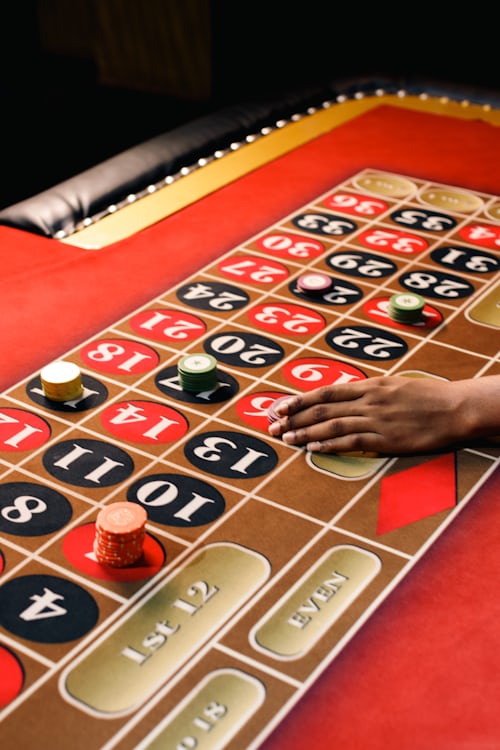
This psychological fascination with risk-taking is rooted in human nature. The potential for substantial reward often overshadows the possibility of loss, encouraging many to gamble despite the odds. For some, this uncertainty also serves as an escape from everyday life, allowing them to momentarily forget their problems and immerse themselves in a world of chance and luck.
The Role of Social Interaction
Another significant aspect of casino gambling is the social interaction it fosters. For many, visiting a casino is not just about playing games; it’s also about engaging with others. The communal atmosphere, filled with laughter, cheers, and shared experiences, creates a sense of belonging. Players often enjoy conversing with fellow gamblers or forming friendships over shared interests in particular games.
Furthermore, social dynamics can enhance the excitement of gambling. The presence of others can amplify emotions, intensifying the highs of winning and softening the lows of losing. This communal aspect can be appealing, drawing individuals who might otherwise shy away from gambling into the vibrant environment of a casino.
The Illusion of Control
The illusion of control is a psychological phenomenon that significantly influences gambling behavior. Many players believe they can control the outcome of games through skill or strategies, particularly in games like poker or blackjack. This belief can create a sense of empowerment, further motivating individuals to engage in gambling activities.
Research indicates that players often overestimate their ability to influence random outcomes. This misperception can lead to repeated gambling as players chase losses, believing that their next bet or strategy could be the key to success. Understanding this illusion of control can reveal why many find it challenging to walk away from gambling, even when they’re not winning.
The Impact of Wins and Losses
The psychological impacts of wins and losses play a critical role in motivating continued gambling behavior. Winning, even if just once, can create a powerful emotional response. The euphoria associated with a win can reinforce the desire to gamble, creating a cycle of chasing that feeling. Conversely, losing can lead to frustration, prompting some to gamble more in an attempt to recover their losses.
This cycle is exacerbated by the concept of ‘near misses,’ where a player comes close to winning but ultimately does not. These situations can trigger feelings of hope and expectation, encouraging players to continue gambling in hopes of overcoming that minor setback. Understanding this cycle of reinforcement can illuminate why some individuals engage in gambling despite the associated risks.
Website Insights on Gambling Psychology
Understanding the psychology behind gambling is crucial for both players and those involved in the gaming industry. Insights into what motivates players can lead to better strategies for responsible gambling initiatives. As the casino landscape continues to evolve, awareness of these psychological factors can enhance the overall experience for players and help mitigate the risks associated with gambling.
By delving into the mind of the gambler, stakeholders can implement more effective measures to promote safe practices, ensuring that entertainment remains the primary focus. The exploration of gambling psychology not only enriches our comprehension of player behavior but also fosters a healthier gambling environment.